I grew up reading only when it was necessary.
I was raised in a household where an A was an A, a B was basically a C, and anything after that was failing. Report cards were transactional: $20 for A’s, $10 for B’s, and nothing for anything lower. So I did what most kids do, I performed well enough to stay in good graces. I was an A honor-roll student with the occasional B here and there, well-behaved, mannerable, and deemed the responsible child.
And responsibility came with freedom.
During the summers, my mother made my siblings and me read a book and write a report before school started again. And because I was a clever young lady, I found loopholes, I’d write a play instead. (Yes, I’ve loved writing for as long as I’ve been able to hold a pen.) My mother never forced education down our throats in a cruel way, but she also wasn’t raising idiots. We were expected to make something of ourselves.
So I Did Just Enough
And that’s the problem with doing just enough, eventually, that’s all you ever become. One summer, definitely before I became a teenager, though I can’t remember the exact age, I decided I wanted more. The rewards I was getting weren’t enough anymore. I wanted to feel deserving of more, so for once, I chose a book myself.
I went to wherever my mother kept her books and picked one related to African American history. The title, I don’t remember, or how long it took me to read, but I remember one line clearly:
“If you want to hide anything from a Negro, put it in a book.”
I was offended. Angry. Confused. What do you mean? Are you trying to say Black people don’t read? I read.
But life has a way of softening offense into understanding. That quote isn’t a fact. A commentary on access, deprivation, and survival. Historically, enslaved Black people were legally forbidden from learning to read. Literacy was seen as dangerous because it led to autonomy, rebellion, and freedom. Even after emancipation, systemic barriers, underfunded schools, labor demands, survival priorities, kept reading from becoming a cultural luxury for many.
So no, Black people don’t lack intelligence.
We were denied access to information.
Reading Out Of Spite
Being the “I refuse to be a statistic” young lady that I was, I started reading beyond what teachers assigned. But the problem with doing something out of spite is that spite has an expiration date.
By the next summer, I was back to writing plays and songs and forgot all about my rebellious reading phase. And for years after that, the same routine continued. Honestly, up until a few years ago, I only read what I needed to.
Yes, I graduated undergrad in three years.
Yes, I graduated summa cum laude.
And yes, I went on to get my Masters
But I did it mostly without reading beyond my textbooks.
Which only gave me more ammunition to believe I was safe.
But, something changed.
I decided to read the entire Bible in a year three years ago, along with three other books. And what startled me wasn’t just the spiritual depth, but how much information, history, psychology, and context I had been missing by limiting myself to what was required.
Then I read the Bible again and four additional books.
And this year I’m reading the Bible for the third time and doubling the number of books from the year before.
Because I finally understood something:
Reading doesn’t just give you knowledge.
It gives you perspective.
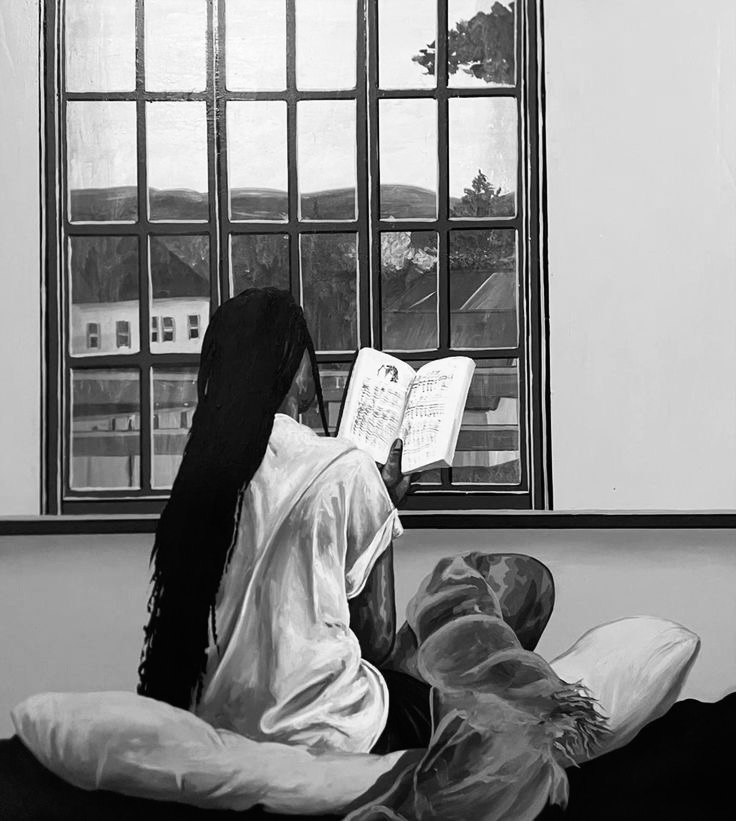
Research supports this too. Studies in cognitive psychology show that reading, especially narrative and historical texts, increases empathy, critical thinking, and emotional intelligence. Reading quite literally rewires how we process the world. And I felt it happening. Some days, I read more than I write. And it’s beautiful to witness the evolution of a young Black girl who once picked up books only because she was told to, now reading for pleasure, understanding, and growth.
Why Reading Is Imperative
Growth isn’t just about becoming financially literate, spiritually aligned, or more responsible.
It’s also about expanding your knowledge so you can expand your perspective. Because when you see things differently, you heal differently. You respond differently. You choose differently.
And sometimes, all it takes is opening a book and allowing yourself to explore a new what if.
If books once felt hidden from us, inaccessible, or unnecessary, maybe that’s exactly why we should reach for them now. Not to prove a point. Not out of spite. But because knowledge expands possibility.
And sometimes, freedom starts with a page.