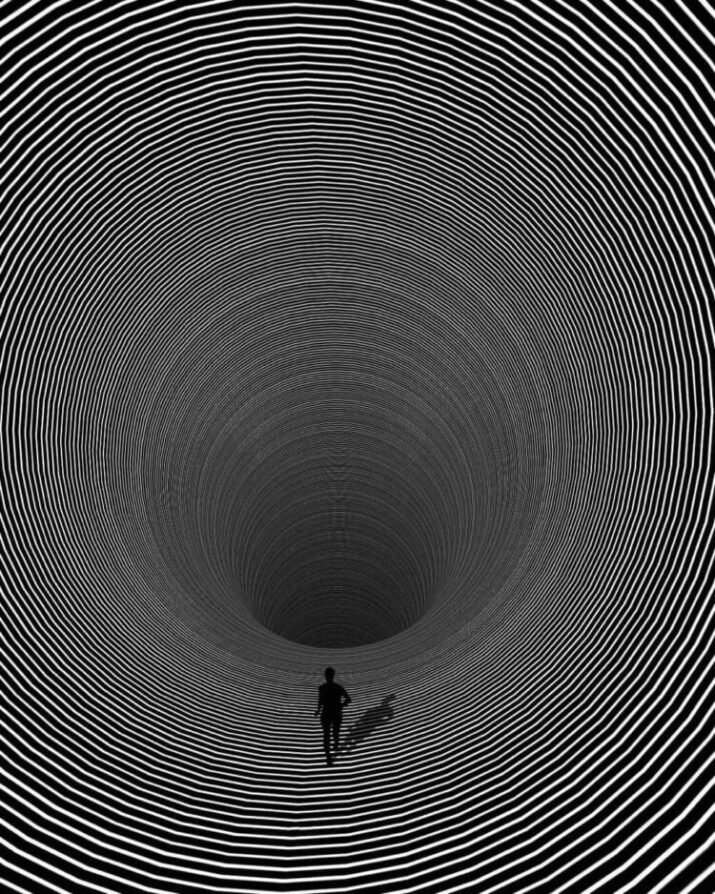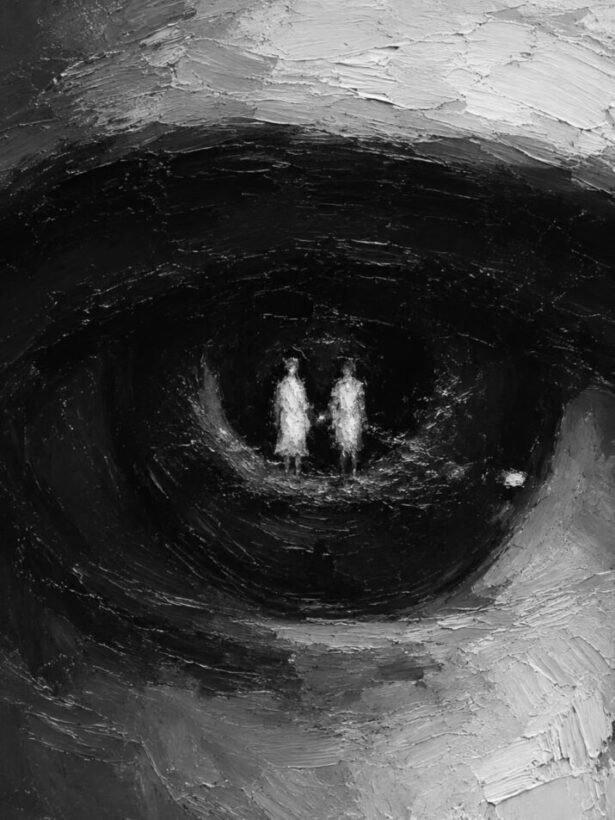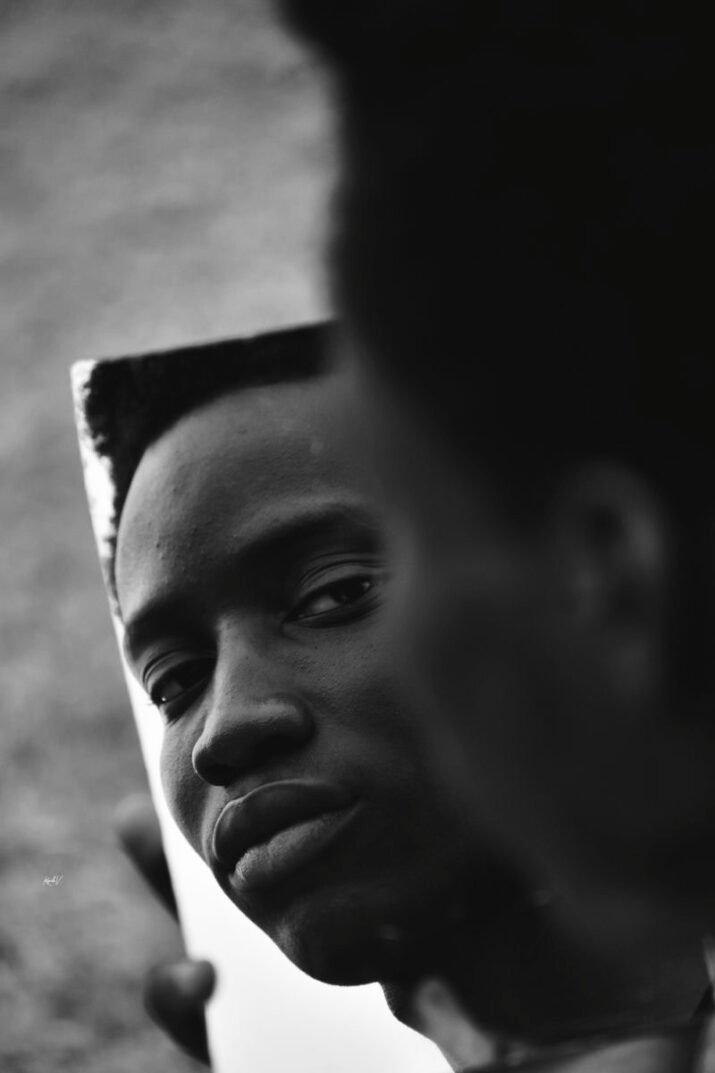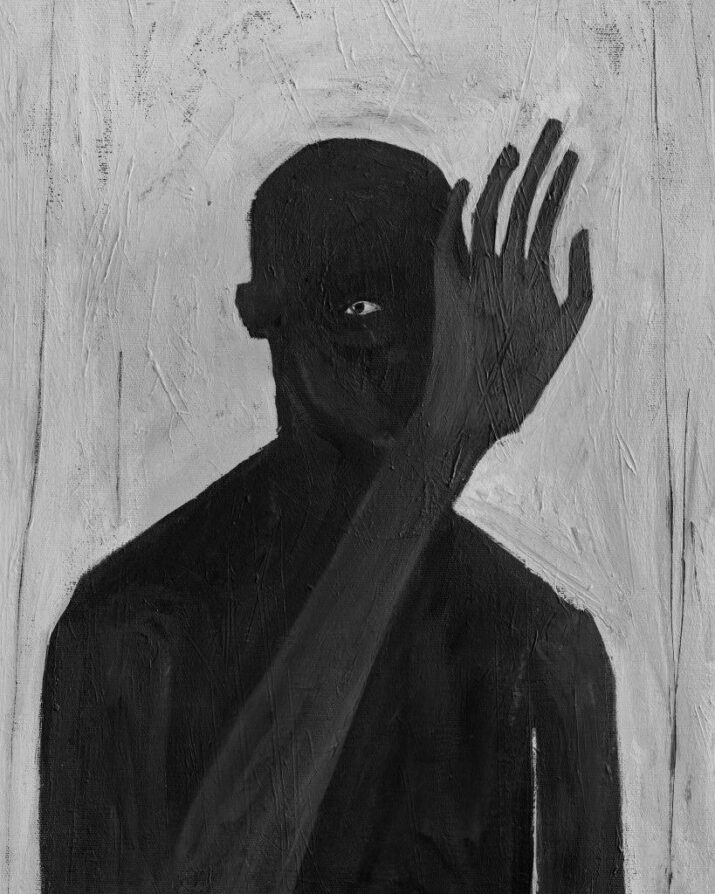
I’ve spent a lot of time trying not to be figured out.
I’m quite good at it. Primarily because I’ve been doing it since I was a child. It’s not surprising that I went on to get a bachelor’s and master’s degree in psychology because I’ve been obsessed with statistics, human behavior, and outcomes since I was about eight years old.
There’s this interesting thing people say to me often. Well, not sure if it’s a compliment.
“I can’t read her.”
Fortunately for me, like everything I do in life, I look to be good at it, so I’m glad this has been working in my favor.
But I think people misunderstand what unreadable actually means.
Being “hard to read” is often romanticized as mystery, emotional intelligence, confidence, power even. But I think for many people, unreadability is not confidence. It’s hypervigilance.
It’s years of studying people before they can study you.
Years of learning how to emotionally shape-shift depending on the room. Years of controlling perception because somewhere along the way your brain decided being fully seen was dangerous.
And trauma doesn’t always make people emotional.
Sometimes it makes them strategic.
You learn how to read tone shifts. Facial expressions. Body language. Energy. Outcomes. You become observant because observance feels safer than vulnerability.
Psychology often refers to this as hypervigilance, a heightened state of awareness commonly developed after emotional instability, trauma, shame, rejection, or fear. Your nervous system essentially learns to stay prepared. Prepared to be misunderstood. Judged. Abandoned. Humiliated.
The Performance
So instead of relaxing into yourself, you perform safety.
Even though I was not raised by someone who made me feel like vulnerability or emotions were weaknesses, in my child brain they were. Then in my teenage brain they were. And honestly, even after five years of studying psychology, part of me still believed they were.
Because one thing I knew from a very young age was that I wanted to be the opposite of anything negative projected onto my life because of the trauma, shame, or fear I carried.
And shame has a way of making you edit yourself before others can.
I’m not sure where it came from exactly, but for years I lied about my relationship with my father. Primarily to men. Because unfortunately, I did have the stereotypical absentee African American dad.
And I never wanted to be put into a box or assigned characteristics I probably didn’t even possess because of that stereotype. So I lied because I was afraid of perception.
Afraid people would hear one detail about my life and suddenly decide they understood me.
Psychology calls this stereotype threat, the fear of being reduced to a stereotype so intensely that it changes behavior, identity presentation, and even self-perception.
And I think many people spend their lives performing against assumptions.
The girl who becomes overly accomplished because she never wants to appear weak.
The man who never cries because he thinks softness makes him unsafe.
Our funny friend masking depression.
The hyper-independent person who secretly fears relying on anyone.
The person everyone calls “mysterious” simply because they mastered emotional concealment.
Some of us became emotionally intelligent not because we were healthy, but because we had to survive emotionally unpredictable environments.
The Difference
And honestly, I’ve grown tired of performing myself. Giving people polished versions of my humanity. I think healing requires a certain level of honesty with yourself first. You have to ask:
Who am I without the performance?
Without image management?
Without the emotional armor?
Because eventually, unreadability becomes loneliness.
And while hypervigilance may protect you from being hurt, it can also keep you from being loved properly.
Fortunately for me, I turned 25 back in December and supposedly my frontal lobe developed. And honestly? I can tell the difference. I thought the online discourse around this was exaggerated, but I genuinely care a lot less now.
Less about perception, appearing perfect or controlling how people interpret my story.
Because maybe healing is realizing that people misunderstanding you is not the worst thing in the world.
Maybe the worst thing is never allowing yourself to be fully seen at all.